


Chrysalis Cities confronts modern design assumptions
and proposes a shift away from growth-driven models toward cities
that are regenerative, adaptive,
and aligned with human and ecological well-being.
Grounded in evidence-based design and influenced by thinkers such as
Daniel Schmachtenberger, Andrew Huberman, and Dacher Keltner,
this work is both a critique and a proposal, redefining not just how we build, but why.

This essay aims to ask about what it mean to live truthfully, act virtuously, preserve dignity, and uphold honor.
It explores these foundational ideals and their relationship to personal character, moral responsibility, and the cultivation of a flourishing life.
Ophanim and the Architecture of Perception explores the relationship between consciousness, space, and the built environment through the symbolic lens of the Ophanim. Blending architecture, neuroscience, philosophy, and metaphysical symbolism, the essay examines how perception is shaped through movement, scale, memory, and spatial experience, proposing that architecture is not merely something we inhabit, but something that actively participates in the formation of awareness itself.



Chrysalis Academy is an architectural and interdisciplinary hub dedicated
to exploring the ideas, systems, and tools needed to better understand, adapt to,
and improve the built environment.
Through these lectures, essays, and visual analysis,
I examine the underlying challenges of urban architecture through the lenses of
philosophy, neuroscience, and human behavior.


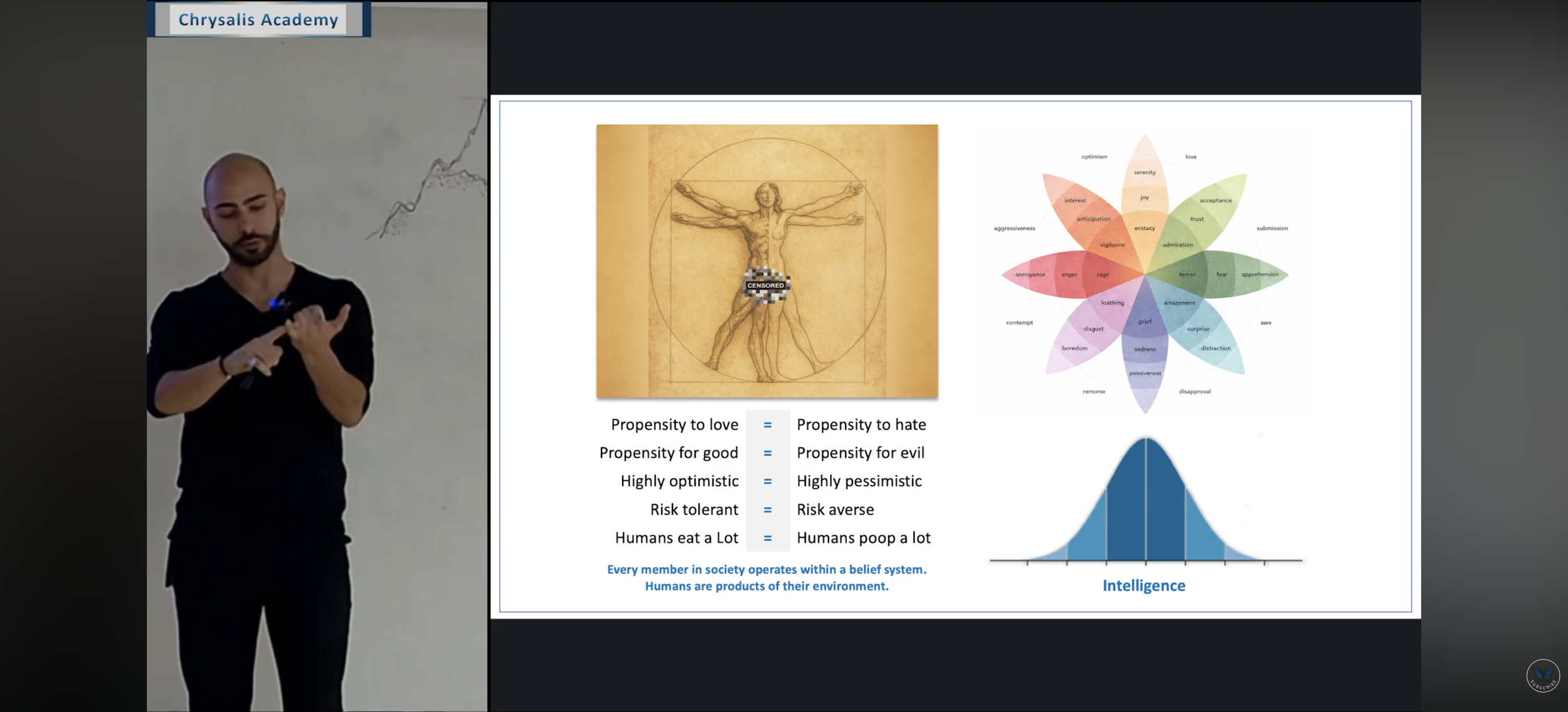
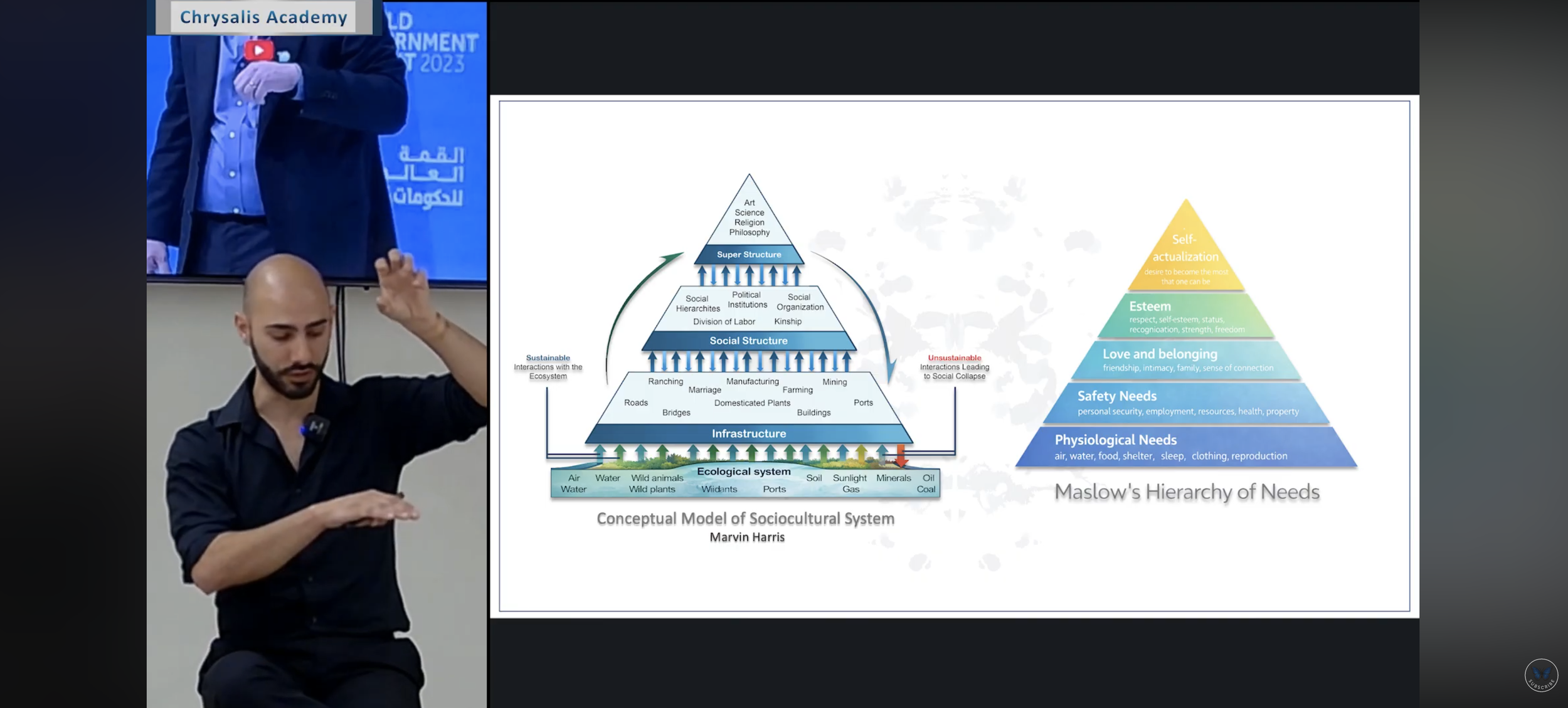
To better understand how I communicate my “why” and how I aim to guide the next generation of architects
toward a more responsible and generative future, simply click on the link below.


If you’re interested in collaborating or have further questions about my professional
and architectural journey, feel free to reach out.